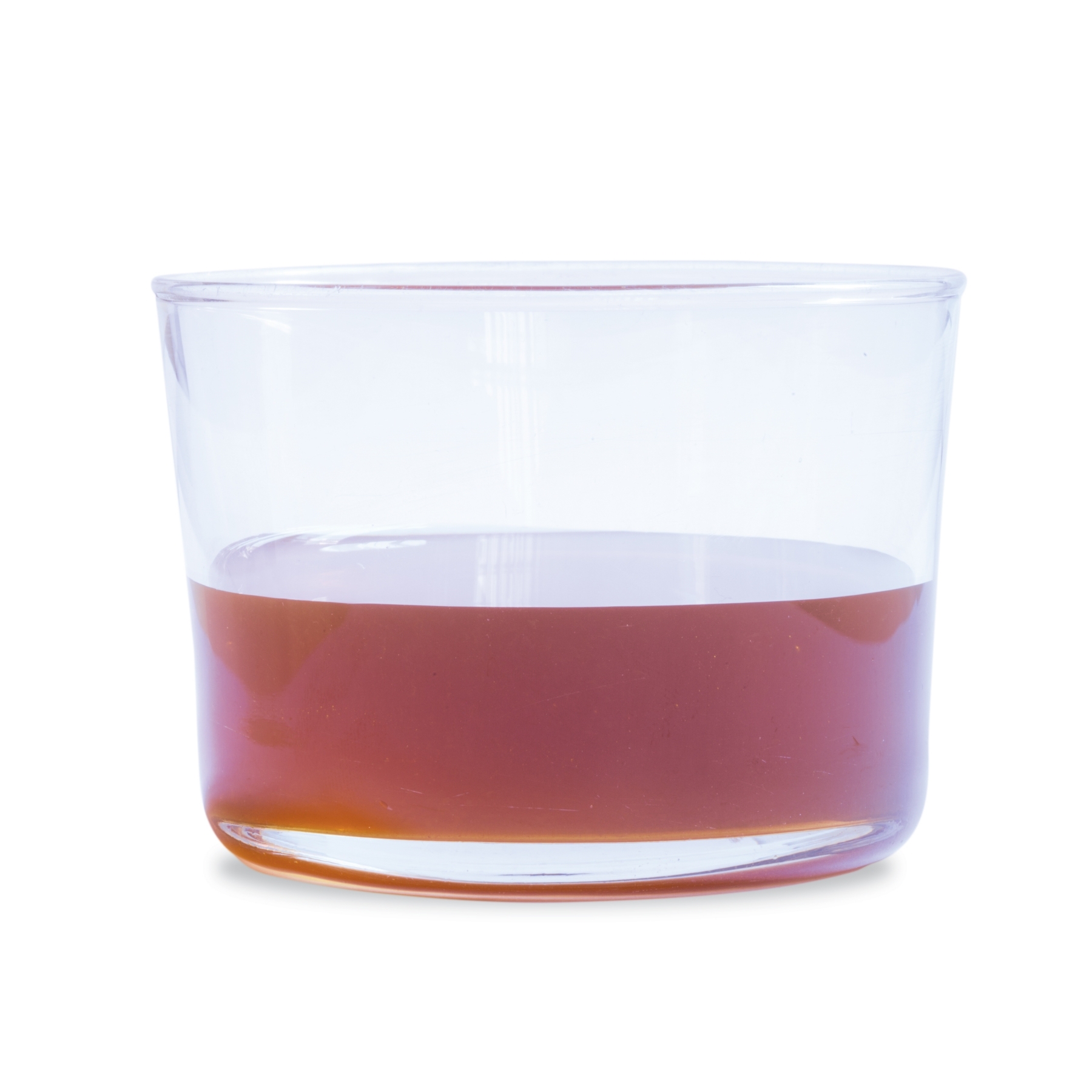
Millefiori Honey from the Lagoon of Grado - 250g
IVA 10 % - Net price € 7,27
250 g jar
Description: Millefiori honey is honey that comes from the nectar of an unspecified multitude of flowers, encapsulating within it the floral variety of the area in which it is produced therefore, it can have different flavor and color, depending on the place and time of harvest.
Millefiori from the Grado Lagoon encompasses all the early to late season blooms found in the lagoon.
It is a normally sweet, almost savory honey, crystallization is rather fast, and the harvest period extends from May to July.
Product name: Millefiori honey
Quantity: 250 g package
Storage Conditions: Store away from sources of light and/or heat
Produced and packaged by: Lycia Apicoltura
Origin: Italy (Friuli Venezia - Giulia)
Nutritional Table:
| For 100 g | For 20 g portion | |
| Energy value: | Kj 1375 &ndash Kcal 324 | Kj 275 &ndash Kcal 65 |
| Fats: | 0 g | 0 g |
| - of which saturated fatty acids: | 0 g | 0 g |
| Carbohydrates: | 80,3 g | 16,1 g |
| - of which sugars: | 80,3 g | 16,1 g |
| Protein | 0,6 g | 0,1g |
| Salt | 0,03 g | 0,00 g |
The 20 gram portion corresponds to one tablespoon of honey. The 250 g packet contains 12 portions.
Note: The table was calculated on the basis of CREA Alimenti e Nutrizione data for the nutrient values and portion indication the energy values are calculated on the basis of these values multiplied by the coefficients given in Annex XIV of EU Reg. 1169/2011. The salt value is calculated from the sodium value indicated in the CREA data on the basis of the indications in Annex I of EU Reg. 1169/2011. (Source: Piana Ricerca)