In recent decades, sweeteners have become a constant presence on our tables. Used to reduce caloric intake while maintaining the sweet taste, they are often present in light drinks, "sugar-free" products, foods for diabetics and chewing gum.
But how much do we really know about these ingredients. What are the benefits, and what are the potential risks of consuming them. Firstly, sweeteners are mainly divided into two categories: natural including stevia, erythritol, xylitol, sorbitol and artificial including aspartame, acesulfame K, sucralose, saccharin, cyclamate.
The latter are often hundreds of times sweeter than sugar and small amounts are enough to obtain a sweet taste.
Moderate use of sweeteners can bring some benefits on weight control as they reduce the total caloric intake when used in place of sugar and also on diabetes management, as they should not affect blood glucose levels (especially non-caloric sweeteners).
However, studies show that sweeteners can have an impact on blood sugar levels, even if not all are the same. Some, such as stevia and erythritol, are known to have little or no impact on blood sugar; others, such as sucralose and saccharin, induce a significant increase in blood sugar due to alterations in the composition of the intestinal bacterial flora (microbiota).
Therefore, the habitual consumption of artificial sweeteners reduces the control of sugar levels, stimulating a high presence of post-prandial glucose levels and predisposing users to develop type 2 diabetes.
Excessive consumption can trigger other side effects, including: gastrointestinal problems (swelling, gas, diarrhea or constipation) especially in sensitive subjects or if consumed in large quantities; generate false signals to the brain, as they negatively affect the sense of satiety or increase the desire for sweet foods, leading paradoxically to an increased caloric consumption; neurobehavioral effects, aspartame has been the subject of debate for alleged side effects on mood, memory and behavior.
The main health agencies (EFSA, FDA) have confirmed its safety within the recommended daily intake limits, but the question remains open for some researchers. The main international health authorities (WHO, EFSA, FDA) believe that sweeteners are safe if consumed within the permitted daily doses. However, the World Health Organization (WHO), in 2023, has advised against the prolonged use of artificial sweeteners as a strategy to lose weight, pointing out that the long-term benefits are uncertain and there may be potential risks. Sweeteners are not dangerous in themselves, but like everything else, it is the dose that makes the poison.
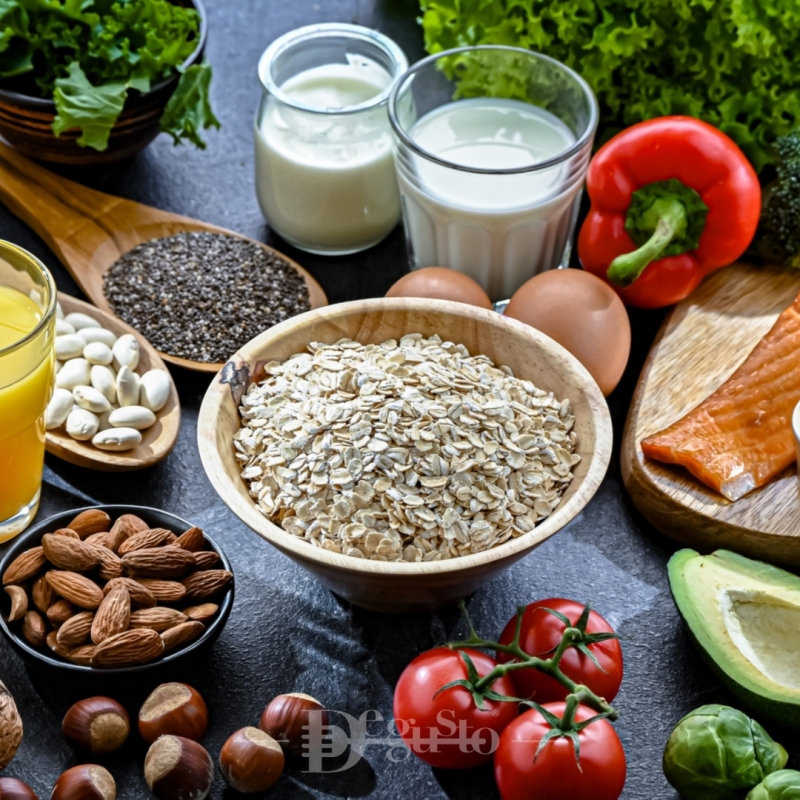
They may be useful in certain contexts (e.g. diabetes, weight control), but should not become a systematic substitute for natural sugars or an instrument to maintain unbalanced eating habits. The best solution. Educate the palate to a less sweet taste and prefer fresh and natural foods, gradually reducing both sugars and sweeteners.
(Article by dr. Maddalena Della Bianca)