Endometriosis is a chronic inflammatory disease that affects approximately 10 to 15 percent of women of childbearing age. It occurs when endometrial-like tissue, the one that normally lines the inside of the uterus, develops outside the uterus, often involving the ovaries, fallopian tubes, peritoneum, and other pelvic organs. These “ectopic” implants respond to menstrual cycle hormones just like the uterine endometrium: they thicken, flake and bleed every month. However, having no way out, blood and tissue accumulate, causing inflammation, pelvic pain, ovarian cysts, adhesions and, in some cases, infertility. The most common symptoms include: very intense menstrual pain, chronic pelvic pain, intestinal or urinary problems, difficulty conceiving.
While diet cannot "cure" endometriosis, it can help manage symptoms and generally improve quality of life. Some foods can reduce inflammation and support hormonal balance, while others can worsen symptoms.
First, it is important to take anti-inflammatory foods to help reduce inflammation. For example:
- Leafy greens (spinach, chard, kale)
- Fruit rich in antioxidants (berry fruits, pomegranate)
- Anti-inflammatory spices (turmeric, ginger)
- Blue fish (salmon, mackerel, sardines) rich in omega-3
- Extra virgin olive oil
Good fats also help maintain hormonal balance and fight inflammation, including:
- Avocado
- Nuts and seeds (such as chia seeds)
- Fatty fish
- Olive oil
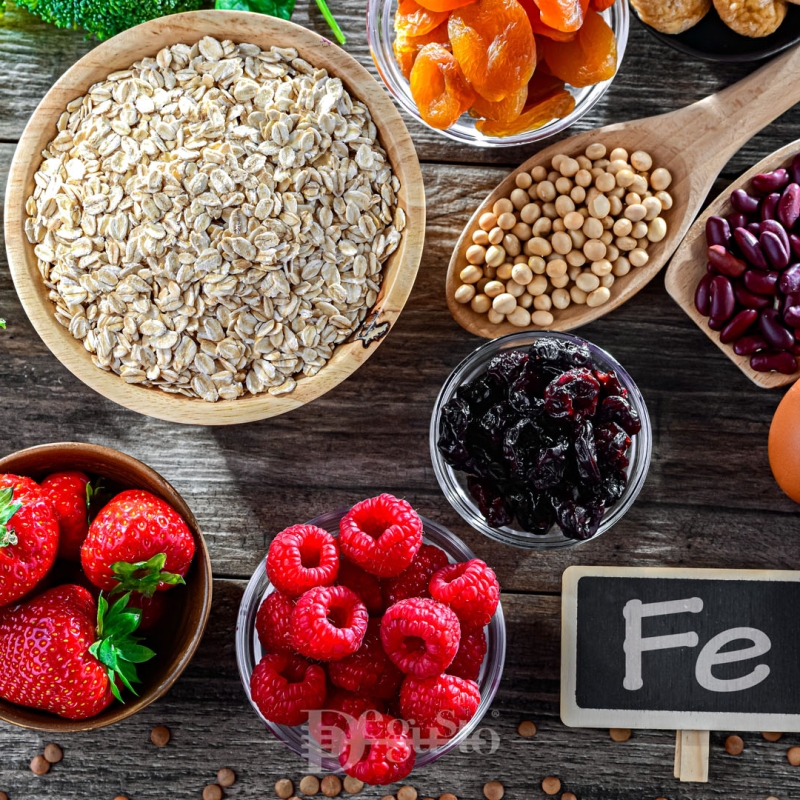
A high-fiber diet promotes the elimination of excess estrogen and intestinal health, improving the composition of the microbiota:
- Whole grains (whole rice, spelled, quinoa)
- Legumes (lentils, chickpeas, beans)
- Fresh fruit and vegetables
Instead, they should BE AVOIDED:
- REFINED SUGARS AND CARBOHYDRATES: can increase inflammation and contribute to hormonal changes. Among these we recognize: industrial desserts, sugary drinks, white bread, refined pasta, packaged snacks
- RED MEAT AND SAUSAGES: several studies suggest that high consumption of red meat may increase the risk of endometriosis or worsen its symptoms
- GLUTEN AND DAIRY PRODUCTS (in sensitive subjects): some patients report improvements by eliminating them from the diet. Not all women with endometriosis react negatively to dairy products, but in some cases they can aggravate inflammation or cause intestinal discomfort. Better to choose organic dairy products or evaluate plant-based alternatives such as almond or coconut milk
- FOODS RICH IN PHYTOESTROGENS: such as soy and derivatives (tofu, seitan, soy sauce, edamame), aloe, flaxseed and linseed oil, oats and rye
- CAFFEINE AND ALCOHOL: Excessive consumption can negatively affect hormones and liver function.
Here’s an example of an anti-inflammatory food day:
- BREAKFAST: Chia pudding with berries and a spoonful of almond butter
- SNACK: A handful of nuts and an apple
- LUNCH: Quinoa with chickpeas, sautéed spinach and olive oil
- SNACK: Vegetable yogurt with turmeric and a teaspoon of honey
- DINNER: Baked salmon fillet, steamed broccoli and sweet potatoes
Endometriosis is a complex disease that requires a multidisciplinary approach, but nutrition can be a valid ally in managing symptoms. Every woman is different: it is important to listen to your body, keep a food diary and, if possible, be followed by a specialized nutritionist. An anti-inflammatory diet rich in fruits, vegetables, fish, extra virgin olive oil and whole grains, inspired by the Mediterranean diet, can help reduce pain and live better.
(Article by nutritional biologist Maddalena Della Bianca)